
From design to landfill: the lifecycle of your $3 Shein shirt
Stacker referenced news and fashion industry reports to break down the general life cycle of fast fashion.
Continue Reading Stacker referenced news and fashion industry reports to break down the general life cycle of fast fashion.
Continue Reading
OhmConnect compiled a list of how heat waves in major U.S cities have changed over time, with data from sources including the EPA, the World Health Organization, the Center for Climate and Energy Solutions, Globalchange.gov, and other scientific research.
Continue Reading
New Jersey Real Estate Network examined data from climate change nonprofit Climate Central to find which cities experience the most intense heat due to overbuilding, also known as the urban heat island effect.
Continue Reading
Utility bill costs are going up nationwide. OhmConnect analyzed data from the Energy Information Administration to examine the rising cost of residential electricity in the U.S.
Continue Reading

Changes in average height in a population say a lot about how nongenetic factors can affect human development. GigaCalculator examined data from the NCD Risk Factor Collaboration to see how average height has changed globally over time.
Continue Reading
Stacker cited data from the U.S. Drought Monitor, USDA Natural Resources Conservation Service, and the California Department of Water Resources to visualize the current megadrought in the West and its impact on the region.
Continue Reading
Stacker ranked the most expensive American climate disasters by the billions since 1980 by total cost of all damages, adjusted for inflation. Data came from the National Centers for Environmental Information (NCEI) and the National Oceanic and Atmospheric Administration (NOAA).
Continue Reading
Using annual report info from the Energy Information Administration, OhmConnect looked into how the U.S. generates its power, and how the rise of renewable energy fits into the future landscape.
Continue Reading
The global concentration of methane is continuing to set new annual records—can international efforts to curb this greenhouse gas keep up? Stacker looks into the matter.
Continue Reading
Stacker looked at why the U.S. is behind other countries in passenger rail service and what new infrastructure funding could change.
Continue Reading
Using information from public health agencies such as the Centers for Disease Control and Prevention, Stacker looked at how the flu vaccine is developed each year and why vaccination is important.
Continue Reading
Physical activity keeps your body fit and your mind clear. Dolphin Pools looked at research from studies around the world that show the number of ways swimming benefits your body and mind.
Continue Reading
Stacker took a look at NOAA data to extrapolate the costliest hurricanes of all time. In this gallery, you’ll find the peak category of the storm, the year it occurred, and how much damage it caused.
Continue Reading
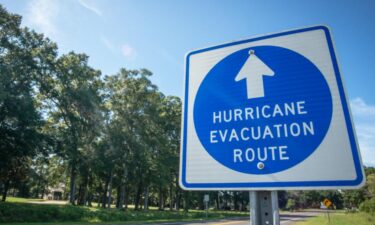
With the 2023 hurricane season set to begin on June 1, Stacker lists 30 ways to prepare for and recover from hurricanes.
Continue Reading
Stacker compiled a list of 10 animals from diverse environments, outlining how each helps sustain its ecosystem.
Continue Reading
Stacker debunked common myths about mpox using a variety of news, scientific, and government sources.
Continue Reading

Traumatic brain injuries are caused by an external force that injures the brain. Taxman, Pollock, Murray & Bekkerman, LLC looked at a CDC report on traumatic brain injuries, which used 2017 surveillance data to pull insights and trends about TBI-related hospitalizations in the U.S.
Continue Reading

OhmConnect cited data from the November 2021 EPA publication From Farm to Kitchen: The Environmental Impacts of U.S. Food Waste to look at the environmental impact of the wasted food, as well as the resources wasted in the lost food’s production.
Continue Reading
Curated evaluated the nutritional benefits and drawbacks of popular nondairy milks compared to regular cow’s milk.
Continue Reading

Gigacalculator used data from the Wisconsin Department of Health to determine which activities burn the most calories.
Continue Reading