
96% of parents agree: Outdoor time instantly boosts kids’ moods


David Tadevosian // Shutterstock
A new survey Retrospec conducted with 1,000 American parents uncovered a revealing snapshot of how families navigate outdoor time in a world shaped by screens. From limited time outside to rising device-related challenges, the findings show a mix of concern and optimism.
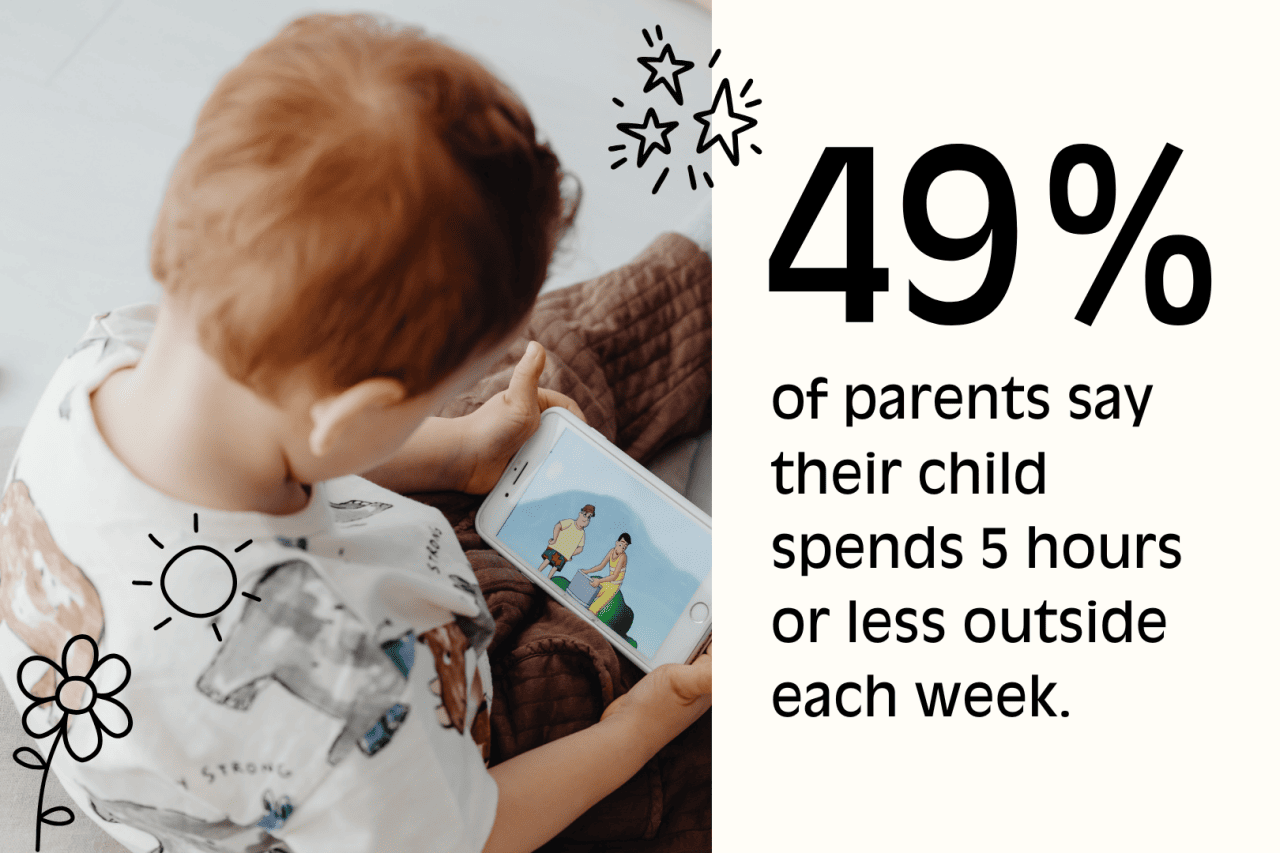
Half of parents reported that their child spends five hours or less outdoors each week, yet most also said outdoor time clearly benefits their child’s well-being.
The survey explored everything from mood boosts to screen-time struggles and differing parental approaches, a consistent theme emerged: Families value outdoor play and want more of it in their routines.
Key Findings:
- 49% of parents said their child spends five hours or less outdoors a week.
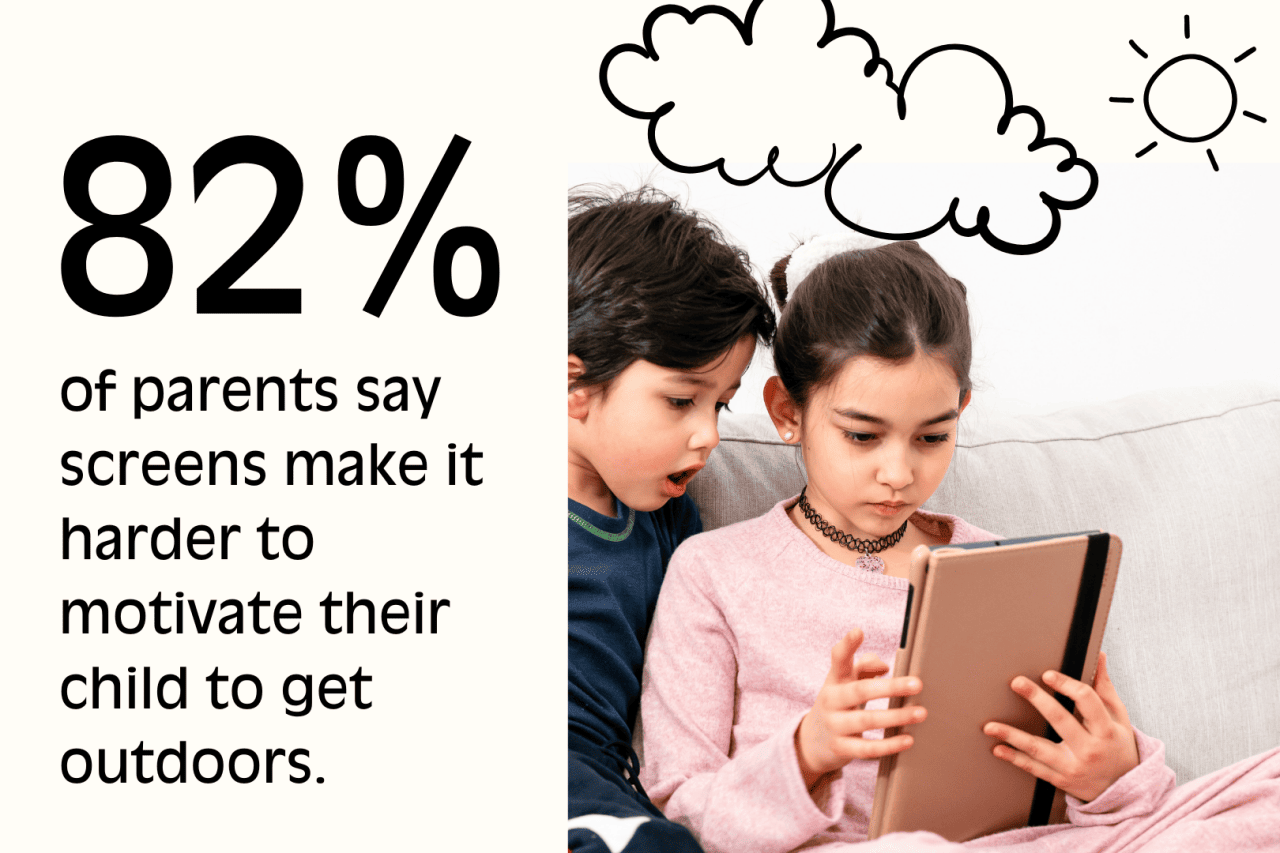
- 82% of parents said screens make it harder to motivate their child to go outside.
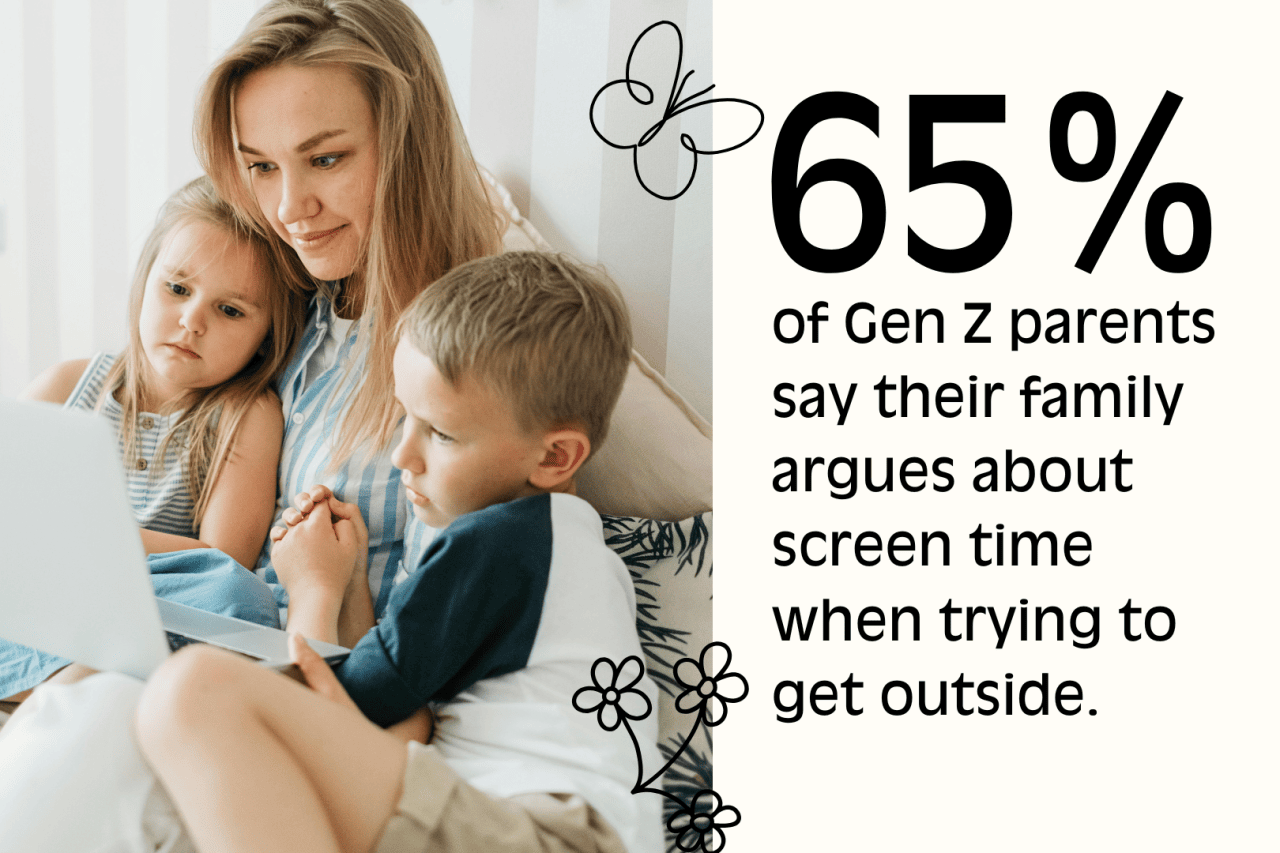
- 65% of Gen Z parents said their family argues about screen time when they try to go outside.
- 21% of parents said their child is only allowed outdoors with an adult present.
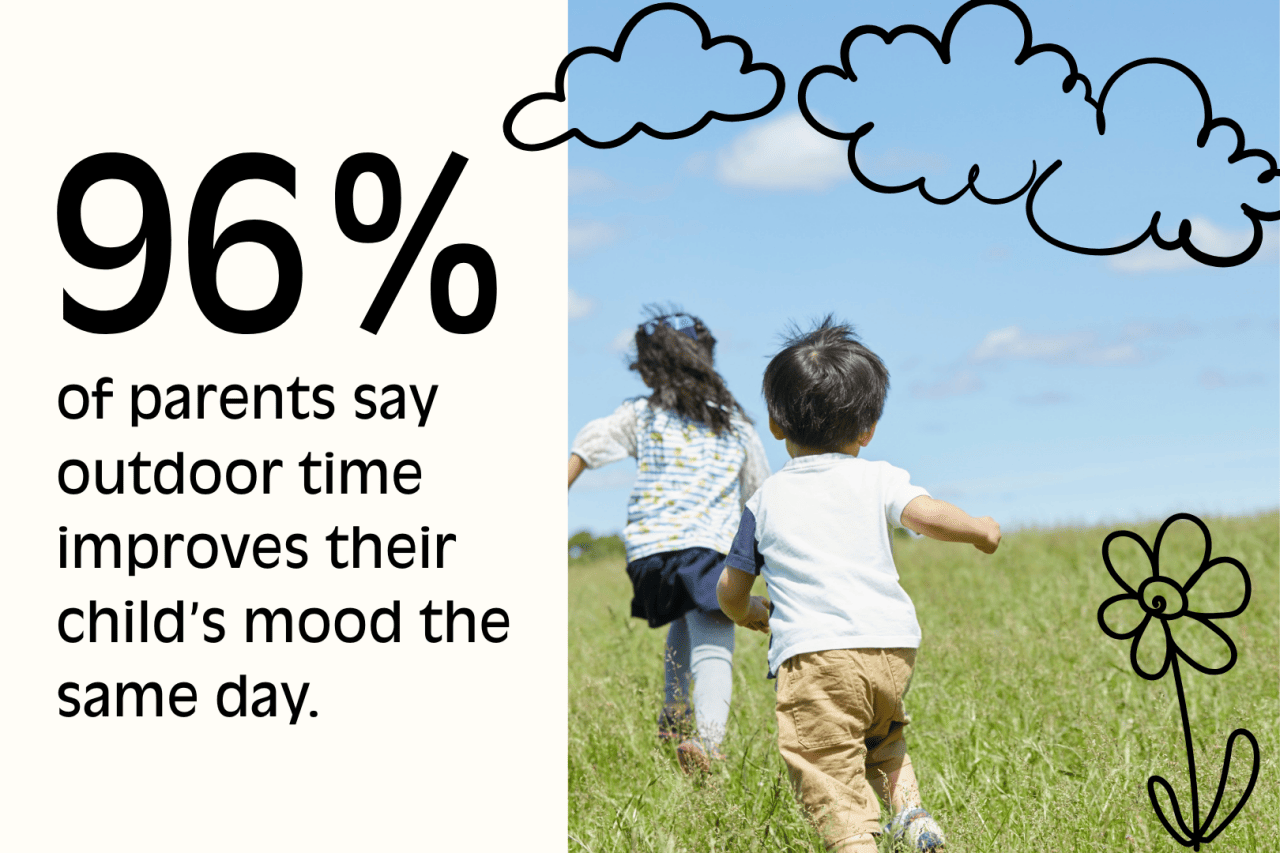
- 96% of parents said getting their child outside improves their mood the same day.
- 43% of fathers most encourage organized team sports for their child’s outdoor activity, compared to 29% of mothers.
- 67% of parents most encourage walking, scootering and biking for their child.
- 63% of parents have spent $100 or more on kid-related outdoor gear in the past 12 months.
Nearly Half of US Parents Say Their Kids Spend 5 Hours or Less Outdoors Weekly
Retrospec
Five hours a week breaks down to roughly 40 minutes a day. This could allude to several barriers to outdoor play: a lack of safe bike lanes or sidewalks, parks that require driving, busy family schedules, and after-school commitments that fill the calendar.
Indoor time comes with fewer barriers and often wins by convenience. Many communities are not designed to make independent outdoor play simple or safe. That turns outdoor time into something families have to plan rather than something that unfolds naturally.
Even with these challenges, the numbers suggest there is room for families to reconnect through outdoor moments. Whether through weekend hikes, after-school park visits, or simple backyard time, the desire for more outdoor play is there.
Screens Pose a Challenge: Most Parents Say Devices Compete with Outdoor Play
Retrospec
A striking 82% of parents in the study said screens make it harder to get their child outdoors. This reflects a familiar struggle in many homes: Devices provide instant entertainment, while outdoor play can require more effort.
Several patterns make this tough:
- Parents feel outmatched by technology because digital entertainment is quicker and easier than any outdoor alternative.
- Kids rarely reach the point of boredom that leads to imaginative play.
- Tired parents often rely on screens to keep the household running smoothly.
- Online games double as social spaces, so asking kids to step away can feel like removing them from their friend group.
Recognizing this tension helps families find smaller, realistic strategies to balance screen time with time outside.
Gen Z Parents Report More Family Tension Over Outdoor Time
Retrospec
Sixty-five percent of Gen Z parents said their family argues about screen time when trying to encourage outdoor activity.
These younger parents grew up online, so this tug-of-war feels personal. Many want to shift their children’s habits in ways they wish their own upbringing had allowed.
Gen Z parents often carry their own screen-time guilt. Many did not grow up with strong outdoor play routines and may now feel pressure to build those experiences for their kids. Trying to pivot their children toward outdoor time becomes emotional because they personally know how it feels.
For many young parents, encouraging outdoor time feels like a negotiation rather than a simple request. These conflicts reflect effort, not apathy. Families are trying to carve out healthier patterns, even if it gets messy along the way.
Supervised Play: Many Parents Still Require an Adult to Be Present Outdoors
Twenty-one percent of parents only allow their child to be outdoors when an adult is present. While safety remains a top priority, this insight adds another layer to understanding how and why outdoor time may be limited for some kids.
This finding highlights concerns about the environment, not a desire to hover. Heavy traffic, limited sidewalks, unsafe crossings, and faraway parks shape how children engage with outdoor spaces. Add in viral videos of worst-case scenarios, and parents feel like they have to stand close by to protect their children.
Additionally, with fewer people knowing their neighbors, parents feel like they are alone in supervision. They think they must stay close because their surroundings do not support independent outdoor play. The issue is structural and cultural, not a lack of trust in kids.
Dads Lean Toward Team Sports: Fathers More Likely to Encourage Organized Outdoor Play
The survey found a notable difference in how parents encourage outdoor activity. Forty-three percent of fathers said they most support organized team sports, compared with 29% of mothers.
This split highlights a broader truth: Parents share the same goal, but they picture outdoor time in different ways. Some lean toward structured environments where kids can build skills, follow routines, and connect with peers. Others gravitate toward flexible, low-pressure play that fits naturally into everyday life.
Neither approach is “better.” Both support physical activity, social development, and time away from screens. The difference lies in how families define what feels practical, enjoyable, and realistic in their weekly schedule. For some, scheduled sports create built-in outdoor time. For others, unstructured play feels easier to maintain.
Rather than pointing to a divide between parents, this finding reflects the variety of ways families try to help their kids spend more time outside and is a reminder that outdoor time doesn’t have to follow a single model to be meaningful.
Fresh Air, Fresh Mood: Parents Say Outdoor Time Boosts Kids’ Well-Being
Retrospec
Amid the challenges of limited outdoor time and screen distractions, one message from the survey came through loud and clear: Getting outside makes a difference. An overwhelming 96% of parents in our study said that spending time outdoors improves their child’s mood the same day.
Parents are not wondering if outdoor time helps. They are asking how to make it happen more often in a packed, screen-heavy routine. Many said they rely on fresh air as a natural way to help their children regulate emotions.
Whether it’s a walk around the block, a trip to the park, or simply time spent in the backyard, outdoor moments seem to offer kids a natural mood boost, something many parents notice right away. It’s a reminder that outdoor play isn’t just good for physical health; it’s also a fast-acting remedy for stress, restlessness, and low energy.
What Helps Families Get Outdoors More Consistently? Most Parents Turn to the Basics.
Retrospec
Parents want outdoor time, but consistency can be difficult. Screens, safety concerns, and schedules all compete for attention.
But the survey points to a promising pattern: Parents are leaning on simple, movement-based activities to break the cycle.
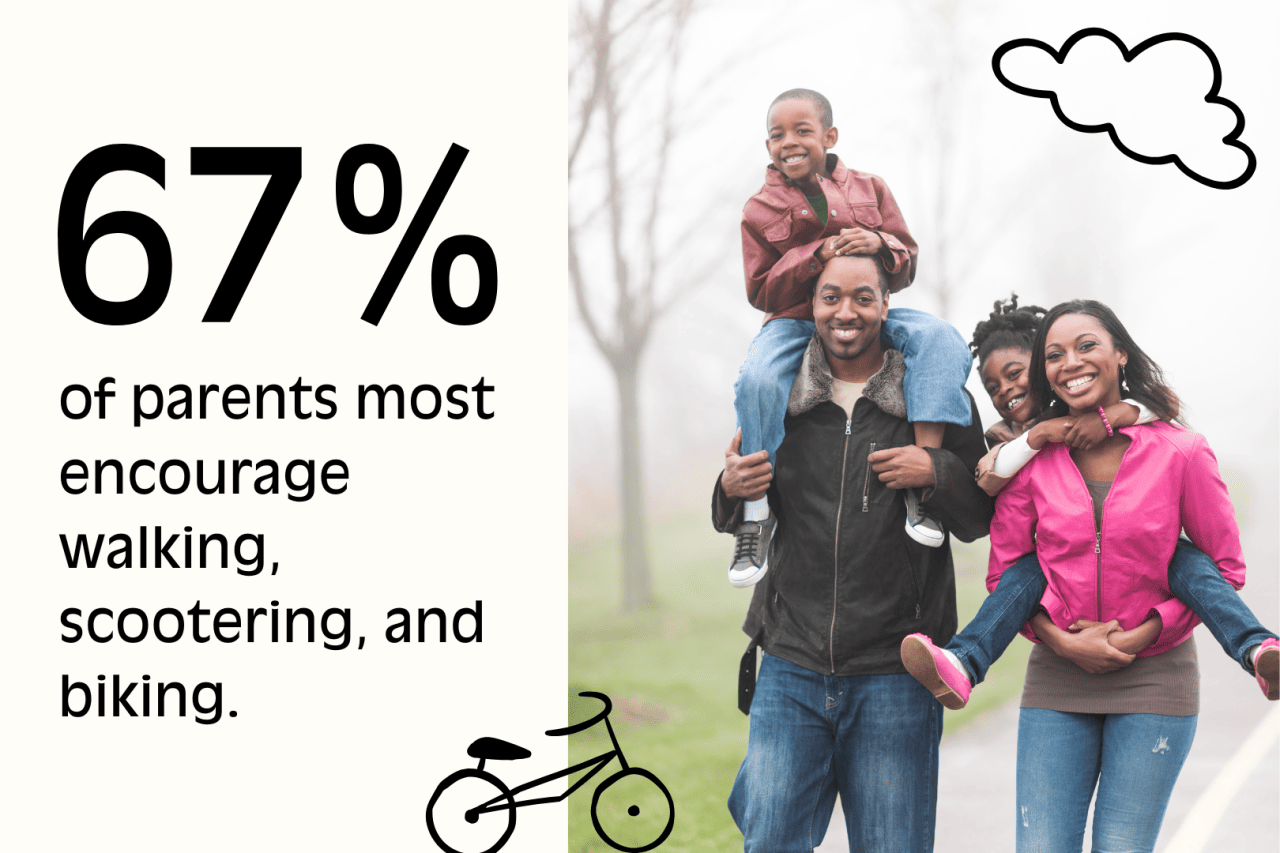
Sixty-seven percent of parents said walking, scootering, and biking for their child are what they encourage most, and it makes sense. These activities are familiar, easy to start, and fit into short time windows. A short walk after dinner or a quick scooter ride before bedtime can reset the mood without requiring major planning.
And Parents Are Putting Real Money Behind It
According to the survey, 63% of parents reported spending at least $100 on kid-related outdoor gear in the past year, including scooters, helmets, bikes, wagons, and similar items. Parents aren’t passive here; they’re actively investing in what makes outdoor time possible.
But even with gear in the garage, many families still feel stuck. Walking around the neighborhood isn’t always exciting enough to win the screen-time battle. Younger kids tire out quickly. Older kids lose interest. And depending on where families live, the safe, kid-friendly routes aren’t always there.
Parents want outdoor time to feel simple, engaging, and sustainable.
So What Actually Moves the Needle for Families?
When asked which single item made the biggest difference in helping outdoor time actually happen, parents were clear:
- Kids’ bikes or scooters: 29.7%
- Simple sports gear: 28.3%
- E-bikes, cargo bikes, or child seats/trailers: 12.5%
- Park bag stocked with snacks, water, sunscreen: 12.5%
- Stroller or wagon: 8.4%
- Nothing made a big difference: 8.6%
Parents report that these tools keep kids engaged, help the family stay out longer, and reduce complaints. The most helpful items were simple, practical, and movement-focused.
Families often reach for familiar gear like scooters, wagons, balance bikes, kid-sized sports items, backpacks, or basic sun protection. For some households, e-bikes and kid trailers open up new options, especially when managing mixed ages or different energy levels.
These tools help families cover more ground, explore farther, and avoid the quick fatigue that can cut outdoor time short.
Summary
Retrospec’s survey highlights several challenges, from screen-time tension to safety concerns, but it also reveals real commitment. Families care deeply about outdoor play and are actively working to create more of it.
Nearly every parent in the study said outdoor time boosts their child’s mood. Small steps like a walk, a game of catch, or a tech-free afternoon can make a meaningful difference.
As families navigate a fast-paced, screen-focused world, these outdoor moments offer more than fresh air. They offer connection.
Methodology
This report is based on a survey of 1,000 parents across the United States. Respondents answered questions about how much time their children spend outside, the challenges that affect outdoor play, and the activities or tools that support more time outdoors. The survey included parents from a range of age groups to capture generational differences. Responses were reviewed to identify patterns in outdoor habits, screen-time tension, and family preferences related to outdoor activity.
This story was produced by Retrospec and reviewed and distributed by Stacker.

