
Washington made Moscow a pariah. Now a tanker of Russian diesel is headed for US shores

By Hanna Ziady, CNN
When Russia invaded Ukraine in February 2022, the response from the United States and its allies was swift and brutal. The West launched an economic onslaught against the Kremlin, banning Russian imports, cutting Russia off from its payment systems and imposing a price cap on Russian oil sales to deplete the Kremlin’s coffers.
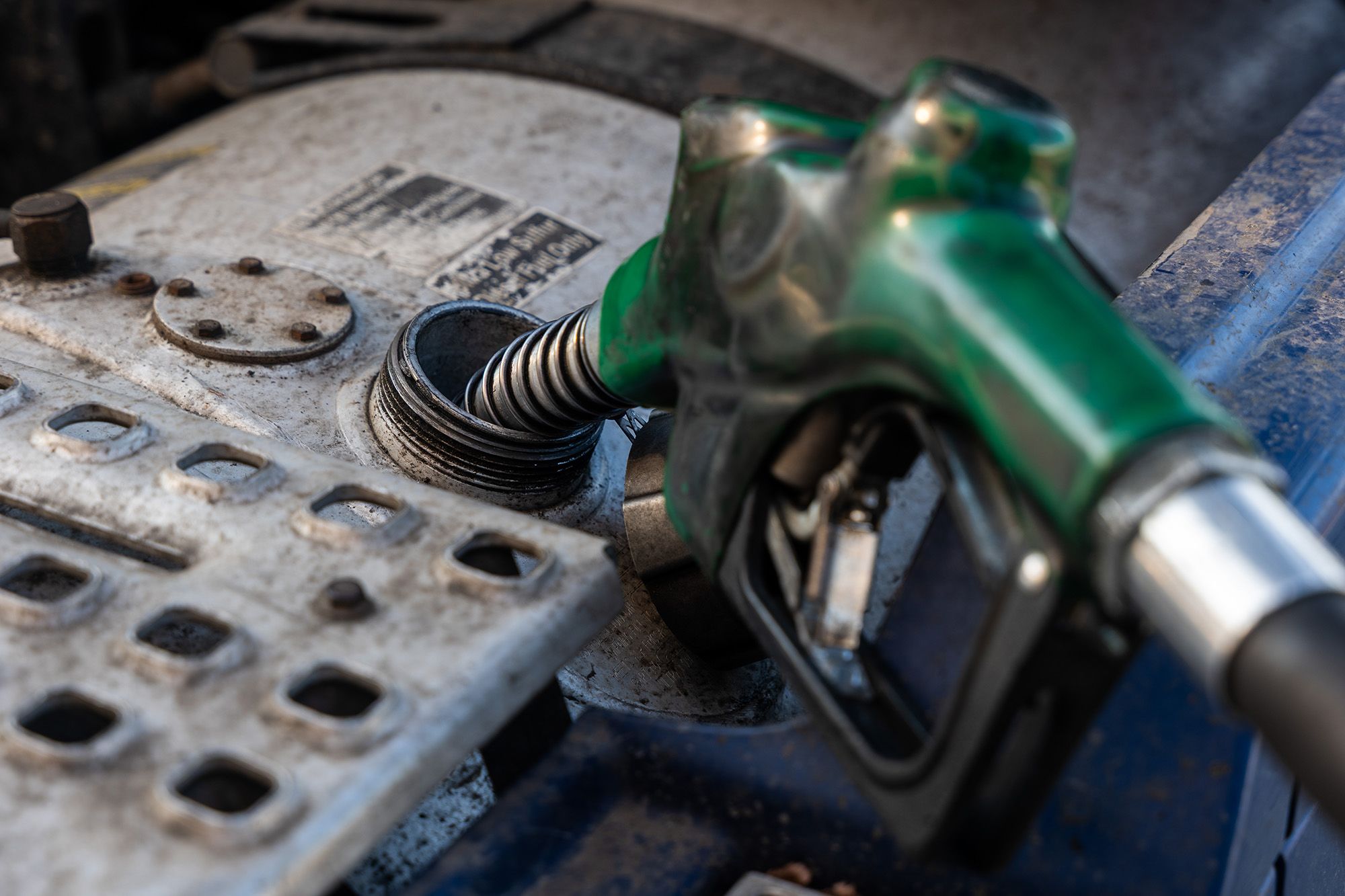
Fast-forward to 2026, and the Malta-flagged Agioi Fanendes is carrying 300,000 barrels of Russian diesel toward the United States, offering a striking image of Washington’s about-face on Moscow.
US President Donald Trump’s willingness to provide sanctions relief to Russia and cut business deals with President Vladimir Putin while war rages in Ukraine is chipping away at Russia’s status as an international pariah. It also undermines years-long efforts by the United States and its allies to punish and isolate the Russian economy in response to Putin’s full-scale invasion of its neighbor.
In early 2022, “there was a very strong notion that we didn’t want a drop of Russian oil on US shores, not just from the US government but also industry,” said Ben Harris, who was closely involved in efforts to sanction Russia at the time as assistant Treasury Secretary.
Trump’s actions signal that “he really sees no value in sanctioning Russia and he doesn’t see sanctions as a way to end the (Ukraine) war,” added Harris, now vice president and director of economic studies at the Brookings Institution.
“It’s really unclear if he even sees Russian aggression as a problem,” he told CNN, describing Trump’s recent moves as “incredibly disheartening.”
Trump’s controversial decision to buy diesel from Russia came weeks ahead of the midterm elections, when soaring fuel prices were a key pain point for voters. Diesel prices have surged above $6 a gallon for the first time ever, from $3.76 a gallon nationally before the Iran war. Average gasoline prices are above $4 a gallon, up from $3 a year ago, according to AAA data.
Trump’s diesel purchases will do nothing to dent prices, however. The barrels on the Agioi Fanendes amount to roughly 10% of what the US transportation sector alone consumes each day, according to the Energy Information Administration. Even if all of Russia’s 2.2 million barrels were imported, in line with Trump’s plan, that would not be enough to supply America’s needs even for a single day.
Pariah no more?
Even so, the deal could be the first of several transactions between the United States and Russia, in what would amount to a stunning break from the past four years.
These potential business deals — which reportedly range from Russia-US data center projects to joint liquified natural gas ventures in the Arctic — come despite the absence of a ceasefire in Ukraine and with no apparent conditions that would force an end to Russian aggression.
The diesel deal might be the “first inkling” of this new approach, “which made people quite nervous because of what it might portend in the near future,” said Thomas Wright, a senior fellow at the Brookings Institution, a Washington, DC-based think tank.
A deal on Russian oil major Lukoil’s international assets, led by a consortium that includes American investors, is expected within weeks, Reuters reported on Tuesday.
It’s unclear how or whether the Democrat-controlled Congress could affect any current or future deals with Russia. But Trump still has veto power, which he could use to assert his authority on foreign policy.
Before the midterms, the Trump administration and the Kremlin had discussed the possible lifting of US sanctions on Russia’s multibillion-dollar sovereign wealth fund. The Biden administration first imposed the sanctions in the wake of Russia’s full-scale invasion of Ukraine, calling it a “known slush fund” for Putin and his inner circle.
A US official said last week that the administration is undertaking its “normal process” in assessing sanctions relief for the fund, “in an effort to improve U.S.-Russia relations and help end the war.”
In yet another sign of Trump’s conciliatory approach to Putin, Trump waived sanctions related to Russian fossil fuel sales days before they were due to take effect last month, sparking bipartisan backlash.
The measures were included in the Graham Act, legislation named after Senator Lindsey Graham, a noted Russia hawk who died in July. The Graham Act would also have imposed tariffs on the five largest importers of Russian crude oil or gas, including India.
Instead, the diesel deal will make India and other buyers of Russian exports, including China, less fearful of repercussions, according to Elina Ribakova, a senior fellow at the Peterson Institute for International Economics and vice president for foreign policy at the Kyiv School of Economics. Trump’s diesel deal sends an “important signal,” she added.
Buyer beware
It remains to be seen whether the Agioi Fanendes will reach US shores. Two other sanctioned oil tankers carrying Russian diesel to the US have already been diverted, likely due to hesitancy from US buyers worried about legal consequences, said Matt Smith, Kpler’s director of commodity research.
The Agioi Fanendes remains bound for the United States, “but has been slow in the last few days,” he told CNN.
“This cargo is not guaranteed to discharge amid such uncertainty and may yet divert like the other two cargoes have done.”
A Trump administration official told CNN Thursday that “consistent with the deal agreed to between President Trump and President Putin, Russian diesel is on the water and heading to the market, which will ease prices for Americans.”
But New Jersey Governor Mikie Sherrill, a Democrat, has warned the state’s port and terminal operators that importing Russian diesel violates federal law and could result in civil and criminal penalties.
“New Jersey will not stand by while Donald Trump supports Vladimir Putin at the expense of Americans,” she said in a statement Monday.
“Instead of lowering costs, he is helping finance Putin’s war against Ukraine and a global campaign of violence and terror that endangers U.S. service members abroad.”
According to Harris of Brookings, the private sector is staying away from the Russian barrels.
“You can’t find a buyer for Russian diesel,” he said. “What you’re seeing is the private sector has a different level of morality than the White House.”
CNN’s Matt Egan, Jennifer Hansler, Farida Elsebai, Billy Stockwell and Phil Mattingly contributed reporting.
The-CNN-Wire
™ & © 2026 Cable News Network, Inc., a Warner Bros. Discovery Company. All rights reserved.